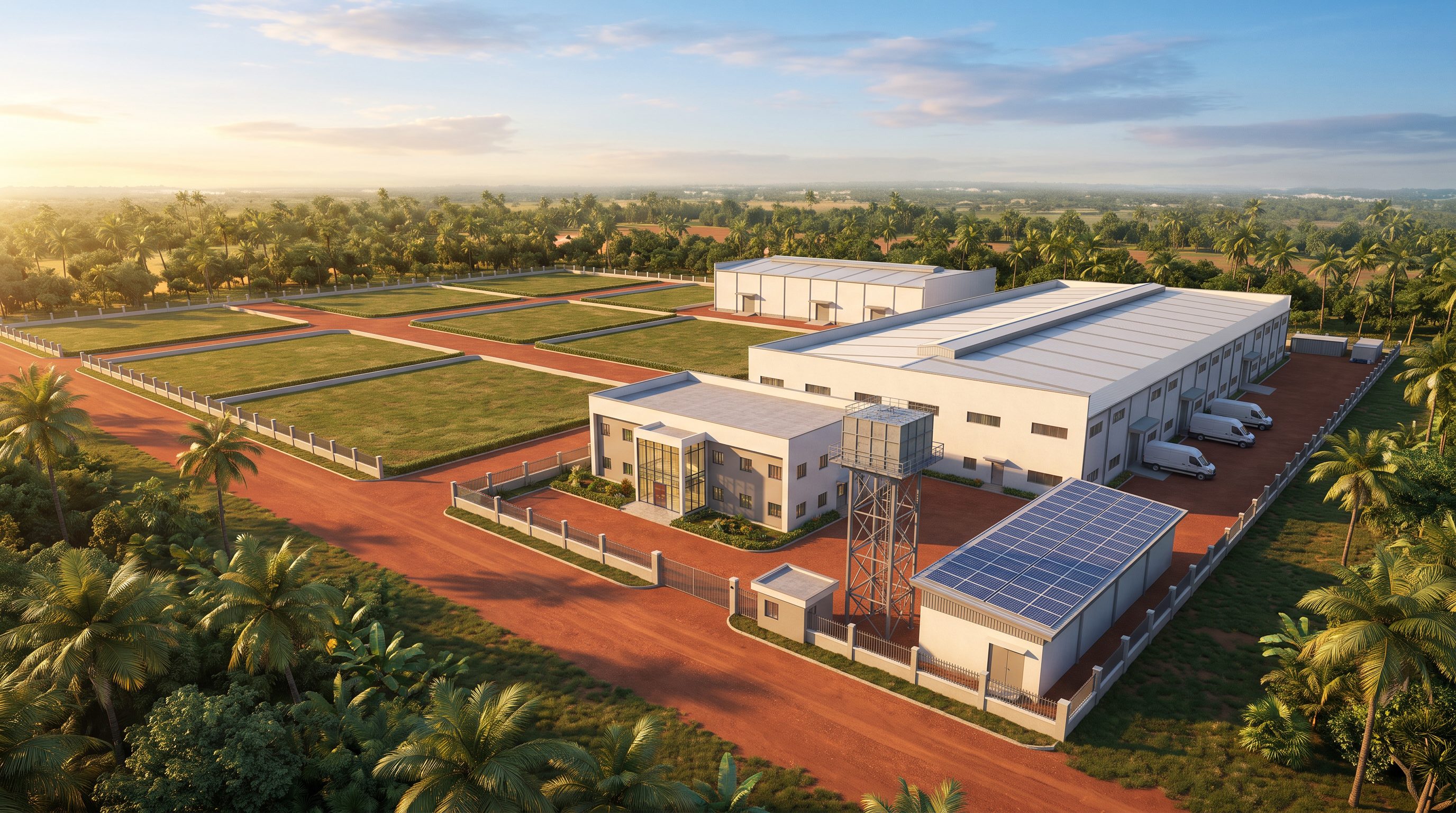
The CUH2O Manufacturing & Distribution Hub Walkthrough
Step through the concept design for World Water Solutions' proposed African headquarters — a six-plot manufacturing, packaging, quality-control, and distribution campus built to put affordable, small-bottle clean-water solutions within reach of families across the continent.
Africa's future clean-water manufacturing hub — designed from the ground up
World Water Solutions is planning a dedicated manufacturing, packaging, laboratory, and distribution campus in Uyo, Nigeria, envisioned as the organization's African headquarters. The concept centers on producing small, affordable bottled water-treatment product across multiple pack sizes — so cost is never the barrier between a family and clean water.
This walkthrough presents the planning-stage concept design and full first-phase budget. It is a blueprint for what World Water Solutions intends to build, not a description of a completed facility.
Where this project stands today: the hub is in the planning and fundraising stage. Land, buildings, equipment, staffing, and regulatory classification described below are the current design intent and target budget — not yet secured, constructed, or finalized. Funding leads are in early conversation; no commitments are confirmed.
Six-Plot Campus Layout
Production and filling, raw-material and packaging warehousing, finished-goods and distribution, offices and laboratory, utilities and site infrastructure, and land reserved for future expansion.
Small-Bottle Production Line
A rinse-fill-cap-label filling line planned to run 2,000–3,000 small bottles per hour, feeding an affordable multi-size packaging strategy.
In-House Quality Control Lab
A dedicated laboratory for pH, TDS, and basic water-quality testing planned alongside the production floor, budgeted at roughly $33,000.
Follow the product from raw material to a family's doorstep
Each station below reflects a planned area of the six-plot campus — how CUH2O concentrate is mixed, filled into bottles, quality-tested, warehoused, and finally loaded onto delivery vehicles bound for communities across the continent.
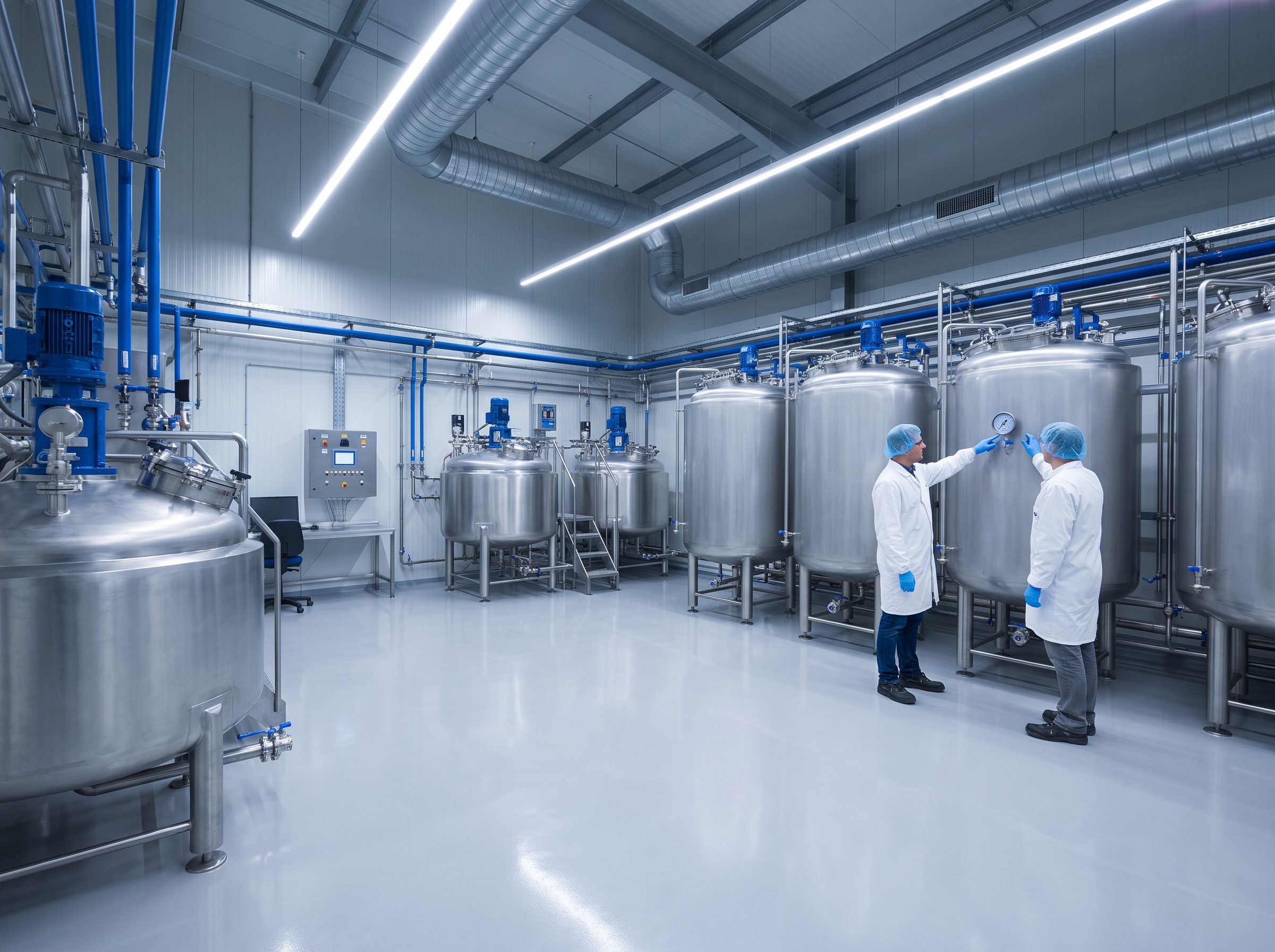 Plot 1 · Production
Where CUH2O concentrate is mixed, filtered, and staged for filling
Plot 1 is planned to house the core production and mixing system: stainless-steel mixing tanks, storage and holding tanks, transfer pumps, filtration equipment, piping, mixing controls, and weighing equipment — the backbone of turning raw material into product ready for the filling line next door.
CUH2O's final regulatory classification — whether it is categorized as a water-treatment product, agricultural input, disinfectant, or general consumer product — has not yet been determined. That classification will shape final facility design, labeling, and certification requirements, so this station is designed to flex as that determination is made.
Every production run is designed to be tested in the on-site laboratory (Station 05) before it ever reaches the filling line — batch testing is planned as a non-negotiable step, not an afterthought.
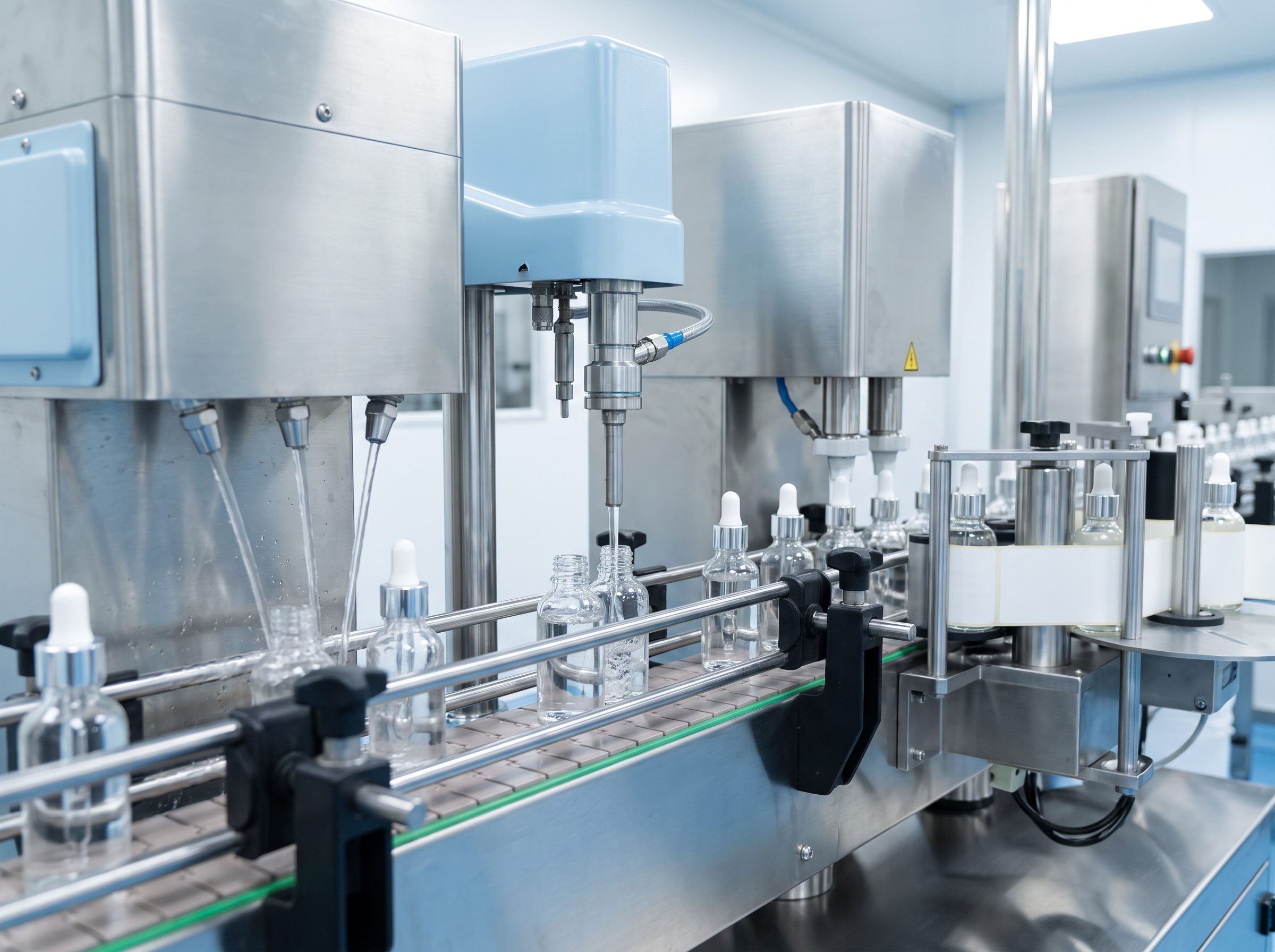 Plot 1 · Filling & Packaging
A nine-stage sequence from empty bottle to sealed, labeled product
The planned filling line follows a defined production sequence: empty bottles are rinsed, filled with product, fitted with a dropper or plug closure, capped, checked for leaks and correct fill weight, labeled, coded, and packaged — each stage handled by dedicated equipment sized for a 2,000–3,000 bottle-per-hour target rate.
Bottles themselves are planned to be sourced externally in Phase 1 — food- and chemical-compatible bottles purchased ready-made rather than manufactured on site. An in-house PET blow-molding line is a possible future addition (estimated $100,000–$250,000+) but is not part of the Phase 1 budget.
A line built to this spec is designed to give the hub the throughput needed to reach thousands of households without sacrificing the careful multi-stage quality checks each bottle passes through.
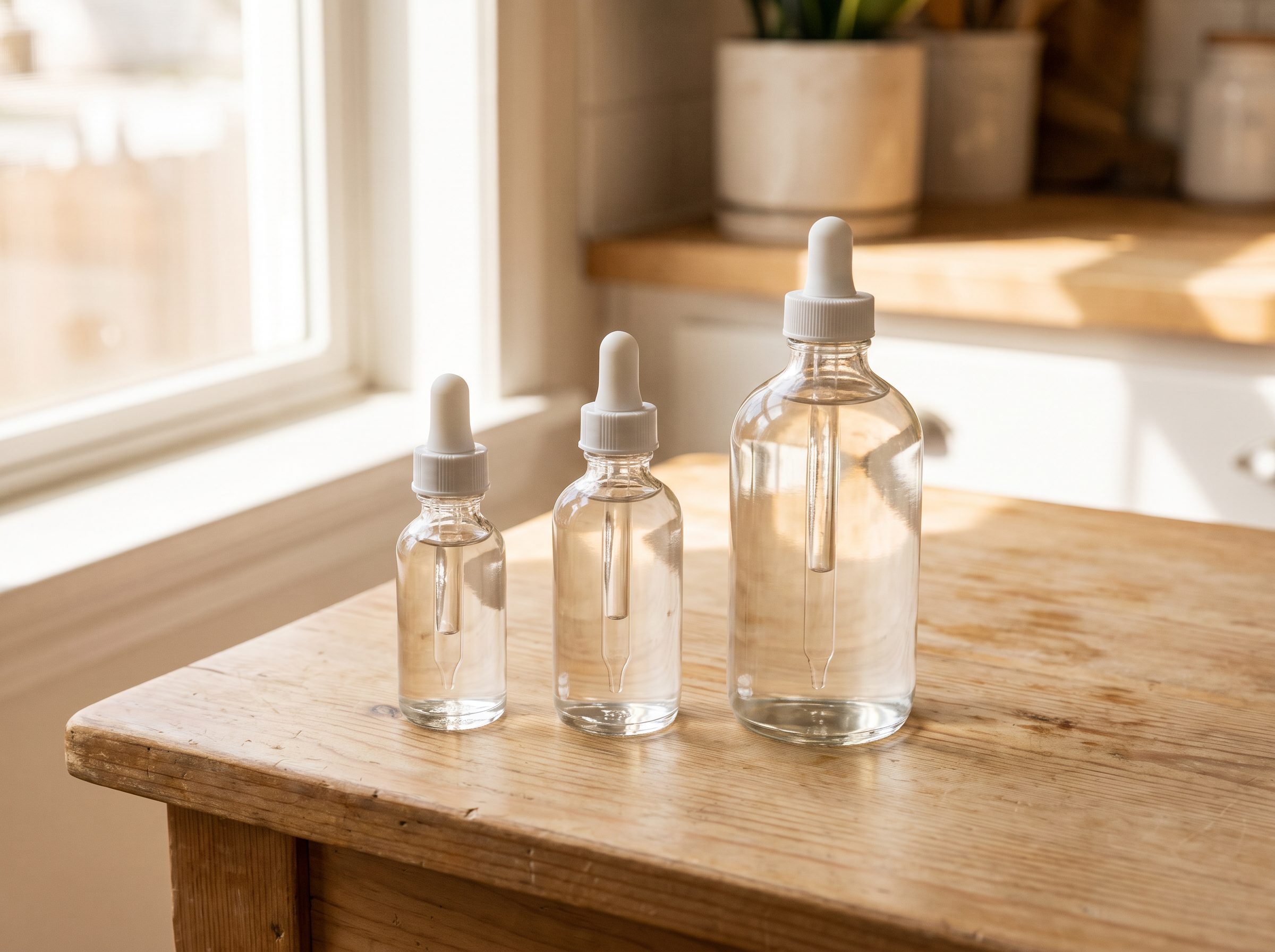 Product Strategy
Small, medium, and family sizes — so no one is priced out
A central design principle of the hub is deliberately offering multiple bottle sizes rather than a single large format. Small bottles let a low-income buyer purchase only what they can afford today; medium and family-size bottles serve larger households at a better per-unit value once they're ready to buy more.
This tiered approach is planned specifically to reach poor and middle-class communities who might otherwise be excluded by a single, larger, more expensive package — affordability by design, not an afterthought.
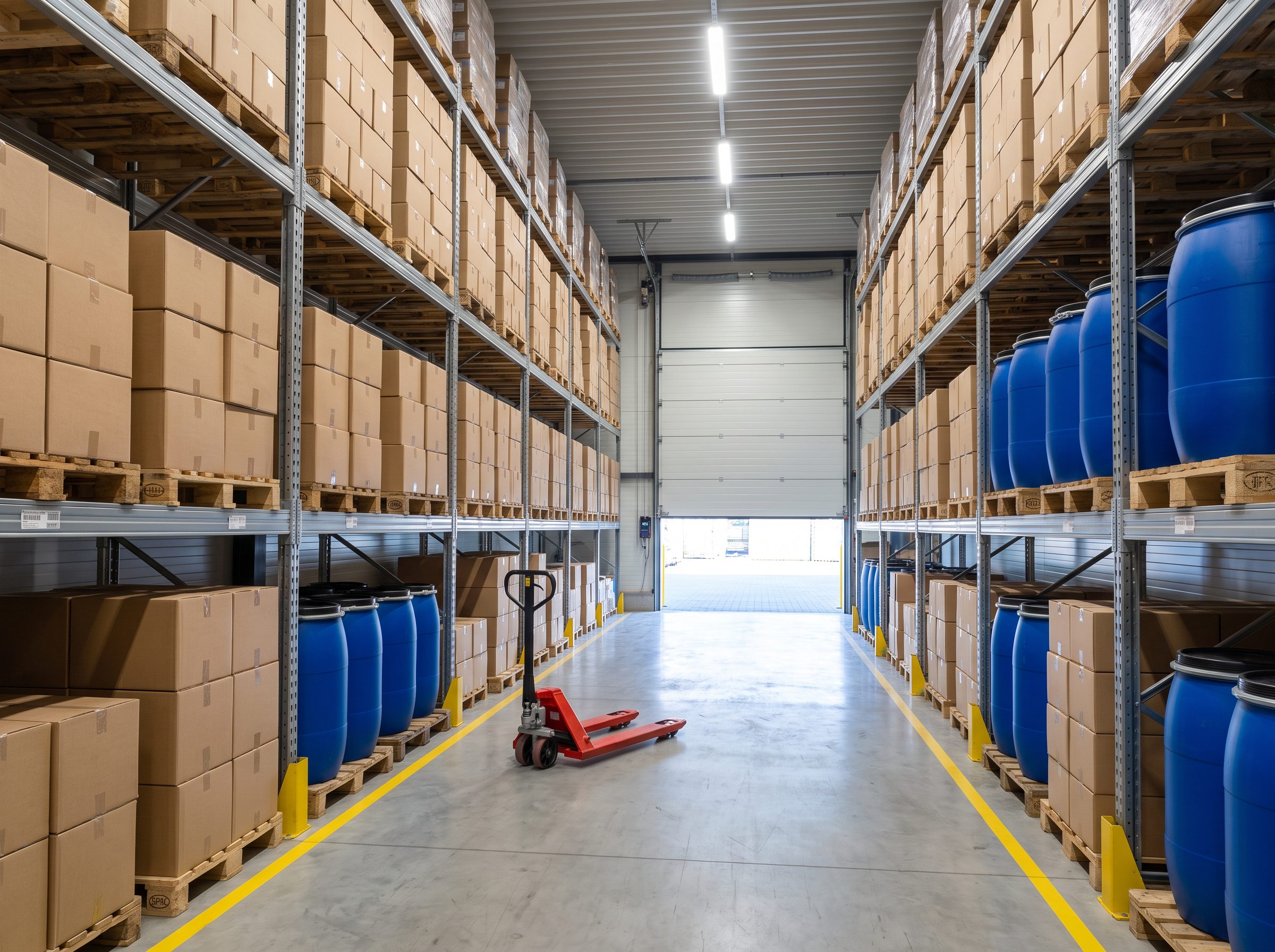 Plot 2 · Warehousing
Steel racking and staged storage keep production supplied without interruption
Plot 2 is planned to hold incoming raw materials and packaging supplies in dedicated racked storage — separate from the finished-product warehouse on Plot 3 — so inbound materials and outbound product never compete for the same space.
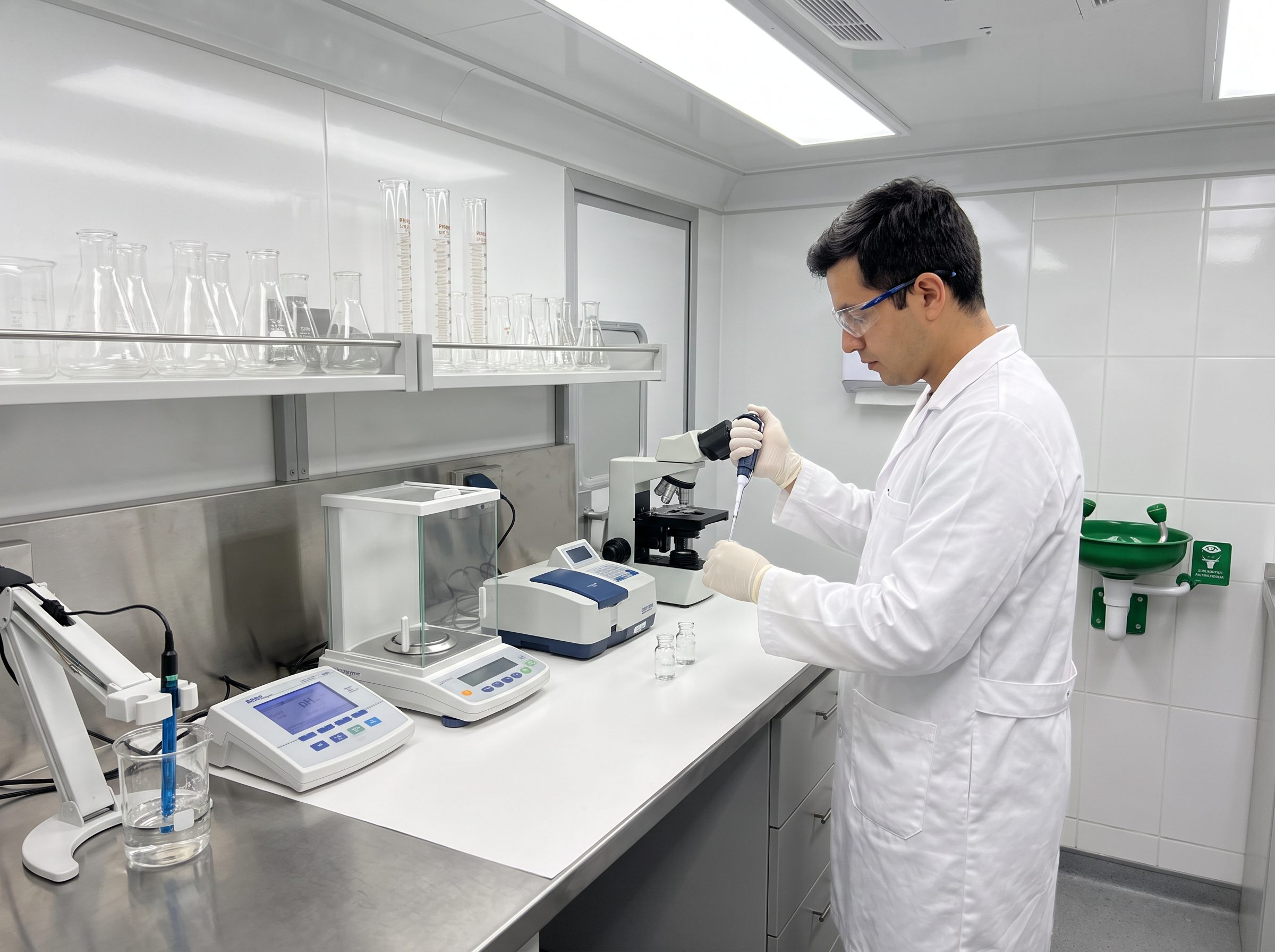 Plot 4 · Laboratory
Testing every batch before it reaches a family's home
Alongside the offices on Plot 4, a dedicated quality-control laboratory is planned to test each production run: pH and TDS/conductivity readings, precision balances, a spectrophotometer, microscopes, and basic wet-testing supplies and glassware, backed by standard lab safety equipment.
This lab supports internal quality assurance. It is a planning-stage design and does not represent a completed, accredited, or independently certified facility — third-party regulatory testing and certification are budgeted separately (see the Budget Index below).
This lab is planned to be the gatekeeper for every batch — no product moves from Plot 1 mixing to the filling line without passing testing here first.
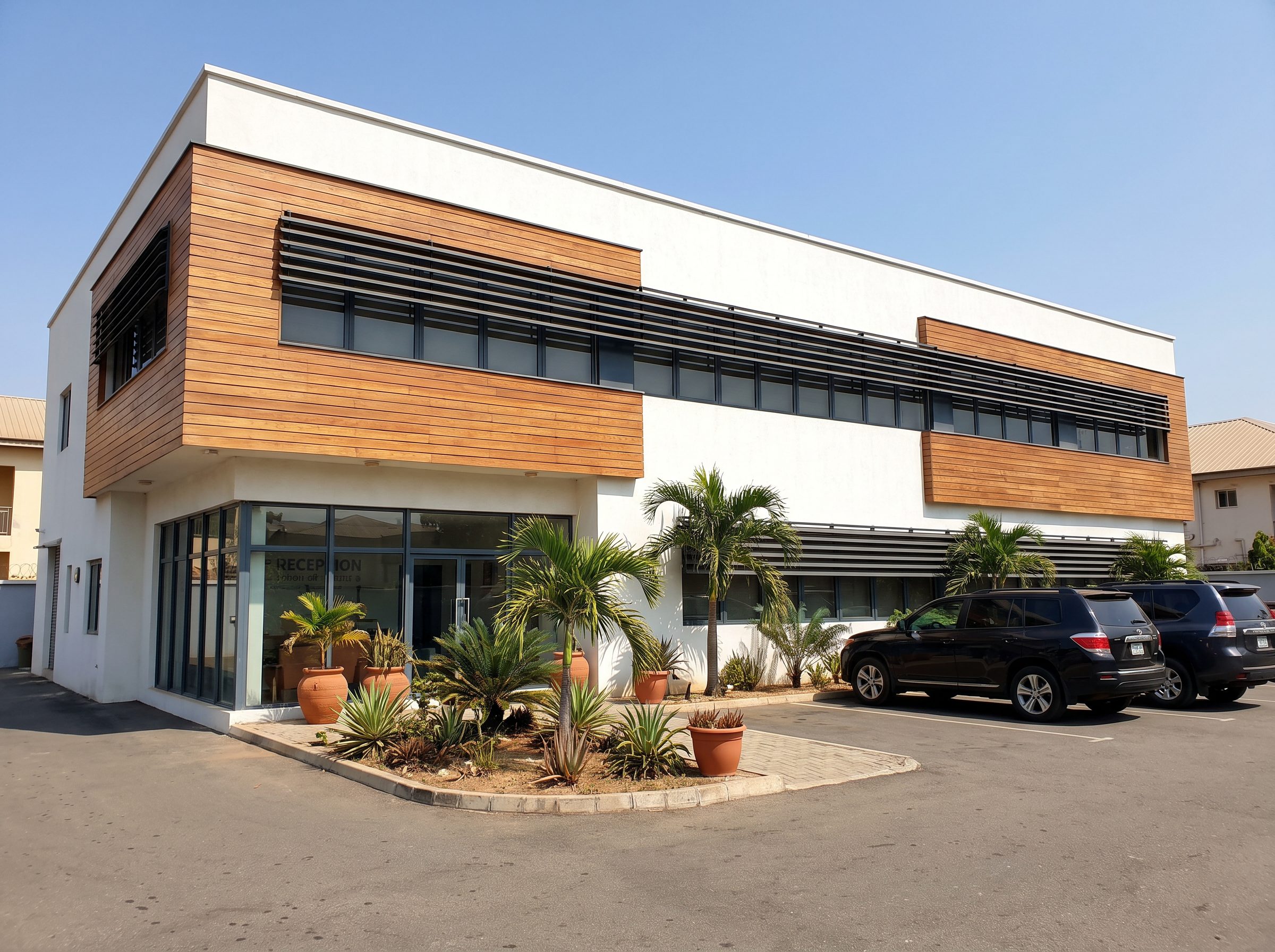 Plot 4 · Offices
Where leadership, finance, sales, and operations run the hub day to day
The office building shares Plot 4 with the laboratory and is planned to house a director's office, operations office, finance office, sales and marketing office, reception, a meeting room, general staff office, and restrooms — the administrative home base for the campus.
A named Nigerian leadership and staff roster has not yet been finalized; staffing plans will follow as the project moves from concept to construction.
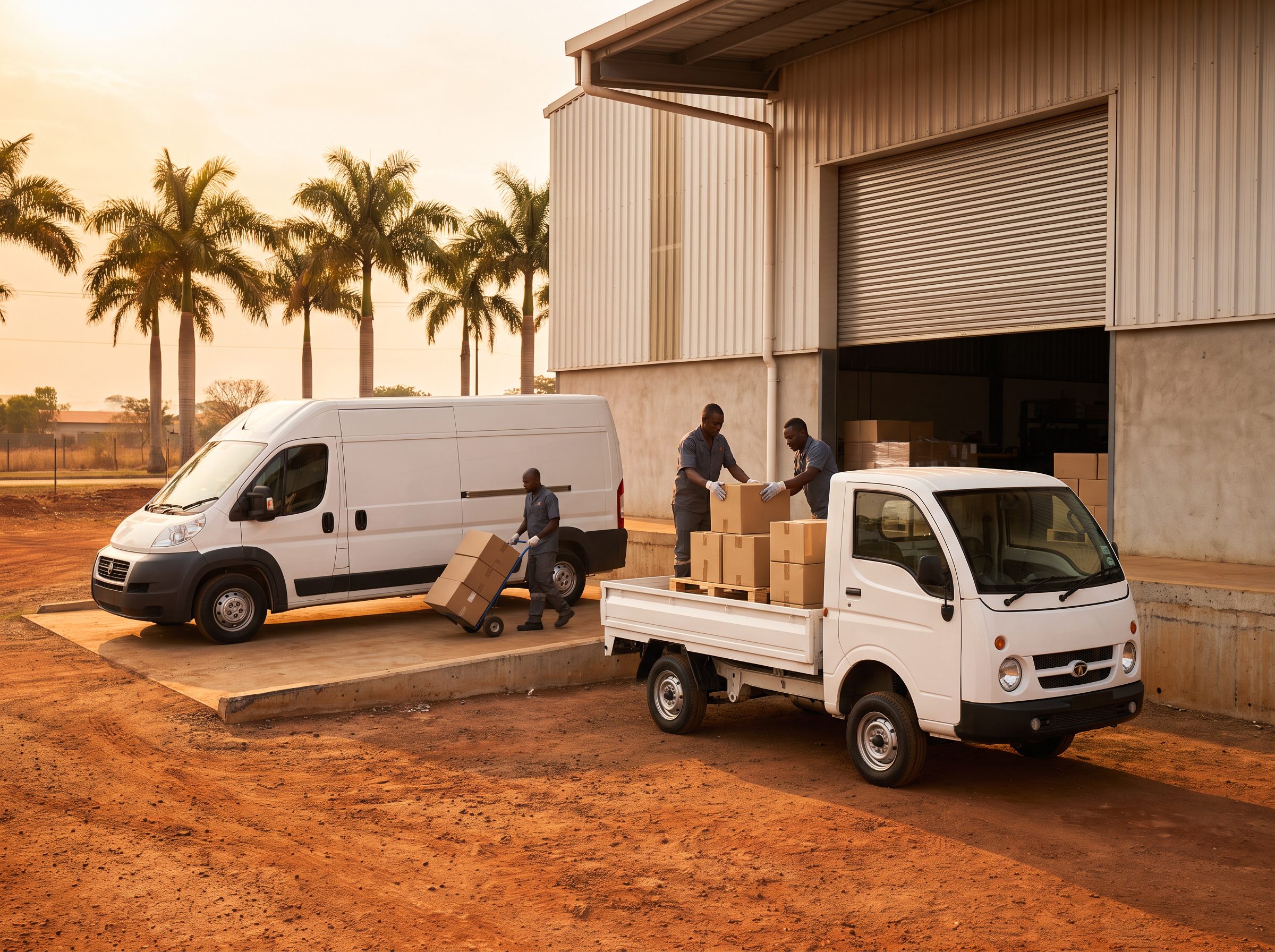 Plot 3 · Distribution
From the loading dock to communities across the continent
Plot 3 is planned as the final stop before product leaves the campus: a finished-goods warehouse feeding a small distribution fleet made up of a delivery van, a small delivery truck, and a general utility vehicle — sized for regional distribution runs rather than long-haul freight.
Target launch countries beyond continental distribution generally have not yet been defined; specific market sequencing will be determined as funding and regulatory approvals progress.
The utilities, water, and security systems that keep the hub running
Plot 5 is planned to carry the campus's essential utilities — power, water treatment, and staff facilities — supported by site-wide security and infrastructure across all six plots.
Water Treatment System
Borehole, storage tanks, filtration, reverse osmosis, UV treatment, and pumps/piping — budgeted at $45,500 to supply clean process and facility water.
Generator & Electricity
A 100–150 KVA generator with backup unit, automatic transfer switch, electrical panels, diesel tank, and a solar/UPS system — budgeted at $60,000 for reliable power.
Security & Site Infrastructure
CCTV, a site-wide security system, internal roads, drainage, parking and loading areas, lighting, fire equipment, and landscaping — budgeted at $75,000 across the campus.
Phase 1 investment index — every line, from land to contingency
The complete first-phase budget spans sixteen line items across land, construction, equipment, staffing, and reserves. This is the current planning-stage estimate and is subject to change as the design is finalized.
Help build Africa's first WWS clean-water manufacturing campus
World Water Solutions is raising Phase 1 capital for the CUH2O Manufacturing & Distribution Hub. Funding leads are in early conversation; no funding source is yet confirmed. Every gift and every introduction to a potential partner moves this planning-stage concept closer to groundbreaking.
Figures reflect the current concept budget. This is not a live, audited fundraising total — contact World Water Solutions for the latest status.
Ready to invest in clean water access?
Every dollar given moves this planning-stage concept toward groundbreaking. 100% of your donation goes to World Water Solutions.
Donate SecurelySecure giving powered by Zeffy — zero platform fees. For partnership, major-gift, or grant inquiries, contact [email protected].